

Fran Rubel Kuzui’s Film Tokyo Pop Pops in 4K
Exploring Bubble Era Tokyo’s Pop Culture
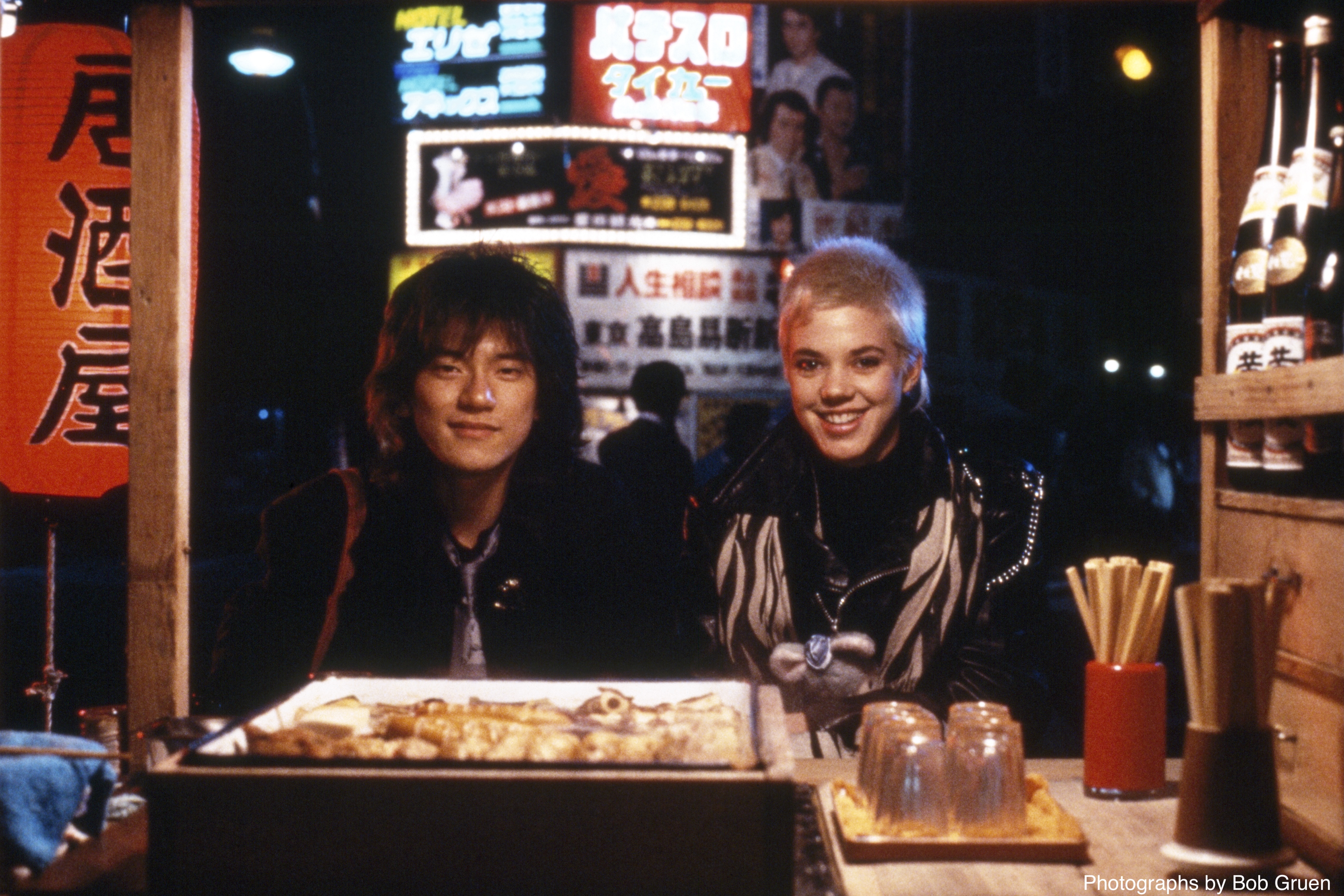
Fran Rubel Kuzui is a film director, writer, producer and distributor. For 25 years, she has served as co-president of Kuzui Enterprises alongside her husband, Kaz Kuzui. Th e company revolutionized the marketing and distribution of independent and art films in Japan. Considered the “grandparents” of hip-hop culture in Japan, they featured hip-hop artists, break-dancers and rappers in their films, which helped bridge the Japanese and American film cultures of the 1980s, while also helping establish hip-hop’s prominence in Japan. Fran entered the spotlight by writing and directing Tokyo Pop, a hit at the 1988 Cannes Film Festival. Tokyo Pop follows bleach-blonde-wannabe-rocker Wendy (the late Carrie Hamilton) as she explores Tokyo’s vibrant pop culture, while dreaming of making it as a singer. The film has been recently restored in 4K by IndieCollect, in association with the Academy Film Archive with funding from Dolly Parton, Carol Burnett (mother of Tokyo Pop actress Carrie Hamilton), the HFPA Trust and donors to IndieCollect’s Jane Fonda Fund for Women Directors. Fran shares in an interview with Tokyo Journal Editor-in-Chief Anthony AI-Jamie her inspiration for the film, the behind-the-scenes’ hustle and the luck involved in bringing this 80s American independent film to life.
TJ: How did you come up with the concept of making Tokyo Pop?
KUZUI: When Kaz and I first introduced the hip-hop content like Wild Style and these 35 kids from the South Bronx to Japan, I was fascinated by watching the Japanese people’s reaction to it, which got me thinking about my own reaction to Japan. I thought of making a movie about what it means to be a gaijin (foreigner) in Japan and about what I didn’t understand about Japan. Back then, there were very, very few gaijin in Japan, so you really, really stood out. I remember in the 80s walking down the street and people just stared at me because they really didn’t see many people who looked like me. I thought about what I knew, which was very different from what other people knew, and I thought making a film on this concept would really stand out. It wouldn’t be like any other independent film. I didn’t really know how to write a script. But Kaz one day drove us to a hotel and went to a room that had a desk with a typewriter on it. Th en Kaz told me to stay in this room until I finished the script that I wanted to write. And I just stayed in that room and wrote the script as best as I could. A few months later, I ran into Lynn Grossman, who had been at NYU film school with me, at a sushi bar. It turned out that she was a script doctor working in Hollywood at the moment. She told me to send her my script, and two days later she called me and said, “I’m rewriting this. I love it.” And that’s how the script got made.
TJ: So how much of your relationship with Kaz is reflected in the relationship between Hiro and Wendy?
KUZUI: When I first wrote the film, I always thought, I’m Hiro in the movie and nobody in America had ever seen. And that was so much the spirit of independent film. For me, it was just a piece of pop culture that I was making. It wasn’t a serious intellectual exercise at all because I just wanted people to have a good time. Kaz was the one always encouraging me to sing my own song. But when I saw the film again in 2019, which I hadn’t seen in over 30 years, I realized I wasn’t Hiro at all. I was Wendy, which had never occurred to me. I had 30 years of perspective on the whole thing to learn, after all, I was Wendy. So, I don’t know if it’s a lot about the relationship between me and Kaz. I think it’s my relationship with myself more than anything, and really about what it means to be a fish out of water, finding your own voice as an artist and who you’re supposed to be. It took me 30 years!
TJ: How did you come up with the name of the film?
KUZUI: I was at a party at a famous Japanese restaurant called the Imperial Gardens where I met Desmond Nakano. He was a screenwriter and I told him that I wanted to write a script, but I didn’t really know how. And he said, “Oh, I can write one for you.” And so Kaz and I flew him to Japan, where I showed him everything that I was interested in. However, after many weeks or months, we talked, and Nakano said, “You know, I have a name, but I can’t come up with a story. I haven’t written anything, only the name.” So, I asked him for the name and he said, “Tokyo Pop.” And that’s when Kaz brought me to the hotel and told me to just write my own script, called Tokyo Pop. I wish I could take credit for the name, but it’s all Desmond Nakano.
TJ: What did you want people to walk away from the film knowing or feeling?
KUZUI: I wanted people to have a good time more than anything else. It was more rock and roll and I simply wanted to show what I had seen — that I knew almost nobody in America had ever seen. And that was so much the spirit of independent film. For me, it was just a piece of pop culture that I was making. It wasn’t a serious intellectual exercise at all because I just wanted people to have a good time.
TJ: It’s kind of a snapshot of what Tokyo was like during the 80s, and I think you caught Japan pop culture at a really thriving time. It was amazing, wasn’t it?
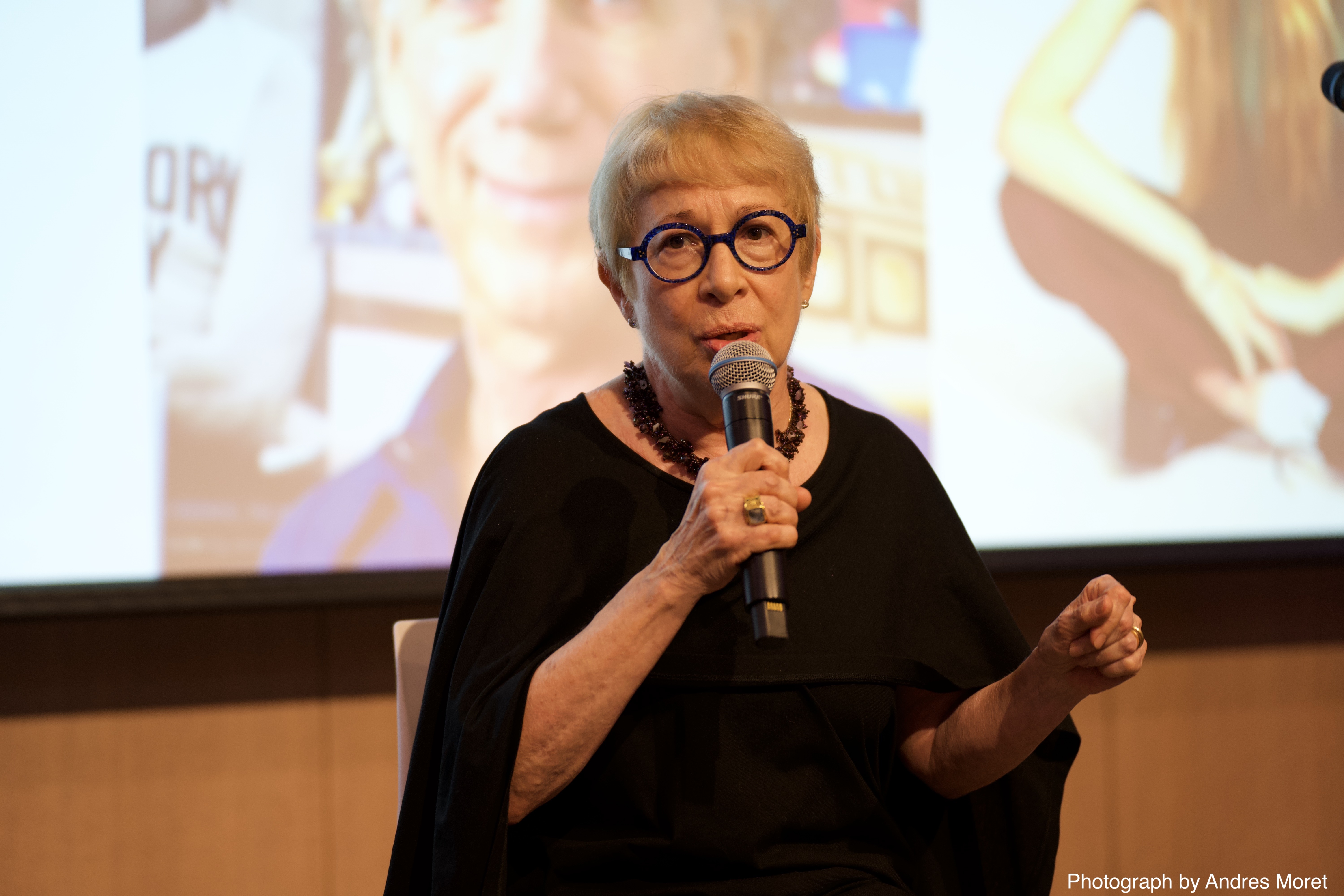
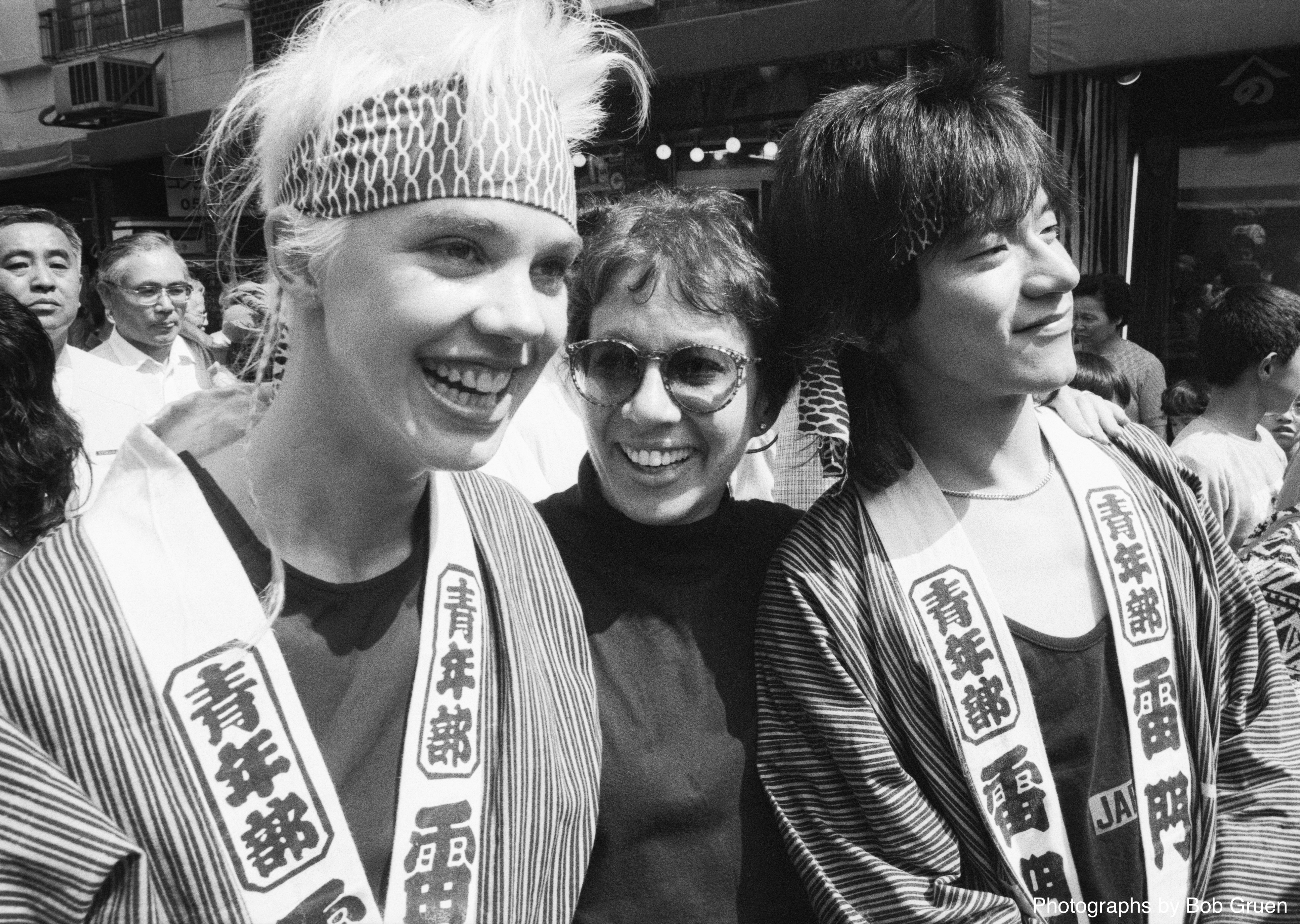
KUZUI: Yes. When I was still tweaking the script, Matsuda Yusaku, who Kaz and I met working together for the film Ningen no Shomei, introduced us to Yuya Uchida. We had dinner together and he told me that all of this goes back to 1968 and the Olympics, which was the beginning of youth culture in Japan. The 1968 Olympics was an opportunity for Japan to showcase its comeback after the war, so they built the Olympic Stadium in Harajuku. All of Shibuya around the station was rebuilt. It was a magnet for young people, for their energy and enthusiasm, and for their culture. And when I came to Tokyo for the first time in 1977, just nine years after the Olympics, I found myself in the middle of it.
TJ: How did you decide what you wanted to include?
KUZUI: It was all very instinctive. But I will tell you one point. The scene where they go out on a date at the onsen [hot spring] and start talking about Furanku Shinotora. That actually happened between me and Kaz. I was reading the Japan Times one time and said, “Groucho Marx died.” And Kaz said, “Who?” And I said, “Groucho Marx.” And he said, “I don’t know him.” And I went, “You have to know him. You have to know him — the Marx Brothers?” And I did the whole cigar thing and walked around, made a mustache. And about five minutes later, he was reading the paper and he went, “Oh, you know who else died?” And I said, “No, who?” He said, “Gurucho Marukusu.” And I said, “Really? You think they knew each other?” I mean, it was just very funny. And I was telling that to Yukai, and he said, “Oh, it’s like Furanku Shinotora.” And I went, “Who?” He said, “Furanku Shinotora!” People don’t know who that is.” I said, “Neither do I.” So, it was just things like that kept happening. And it went in the movie because it was just very organic.
tjThe complete article can be found in Issue #282 of the Tokyo Journal.