

The Saidai-ji Eyo Hadaka Matsuri
A Glimpse into Okayama’s Naked Man Festival
At the heart of Japan, Okayama Prefecture is home to one of the country’s most iconic and intriguing cultural events: the Saidai-ji Eyo Hadaka Matsuri, or the Okayama Naked Man Festival. Rooted in tradi- tional Japanese New Year’s events, the festival is a vibrant celebration that draws participants and spectators from far and wide. Th e Saidai-ji Eyo Hadaka Matsuri has a long history and cultural signifi cance for the local community.
Historical Roots:
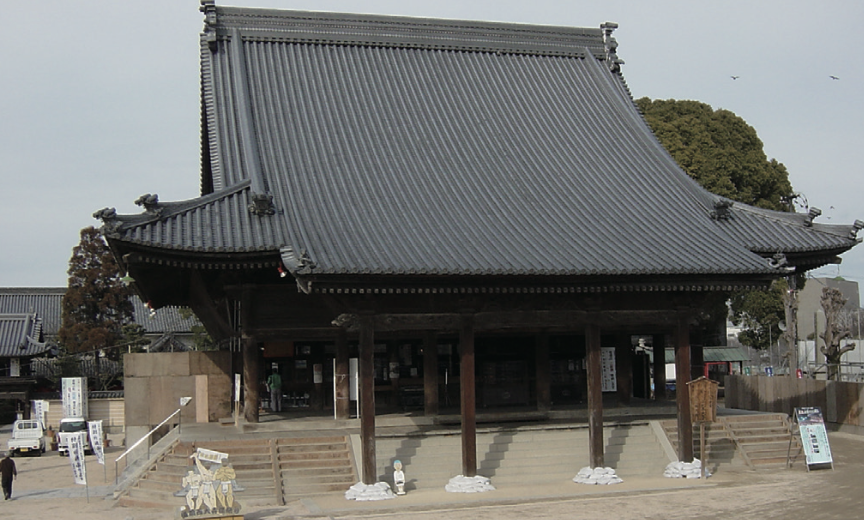
The Saidai-ji Eyo Hadaka Matsuri traces its origins back to A.D. 751 when the Saidai-ji Kannonin Temple was founded in the Nara Period. Anryu, the first head priest of Saidai-ji Buddhist temple, introduced the New Year’s grand prayer created by Jicchu, a holy priest and leading disciple of Rouben Sojo of the Tōdai-ji Temple. For the first 14 days of the Lunar New Year, the prayer for a bumper crop, universal peace, and an affluent life for the nation was chanted. Followers performed cold-water ablutions and offered prayers for Senju Kannon, the Thousand-armed Goddess, in the main hall of the temple to gain luck by welcoming Toshigami, the god of New Year. The cold-water ablutions, prayer, and other practices eventually developed into local events involving many participants. People came to believe that they could approach gods with a pure mind when they performed cold-water ablutions in mawashi (loincloth) because of the physical and mental purification that this brings.
Shinto Spirituality in Okayama:
With a rich cultural heritage, Okayama has a long history of worshipping gods, ranking fifth in the number of ancient tombs in the nation. After being introduced into the area, Buddhism was merged with Shinto. The Saidai-ji Temple, which will celebrate its 1,250 year anniversary in 2028, became an important hub for the syncretism of Shinto with Buddhism. Saidai-ji Eyo played an important role in bringing peace to the Bizen Plain by calming violent gods through a naked men’s parade in the temple precincts.
Preparations and Rituals:
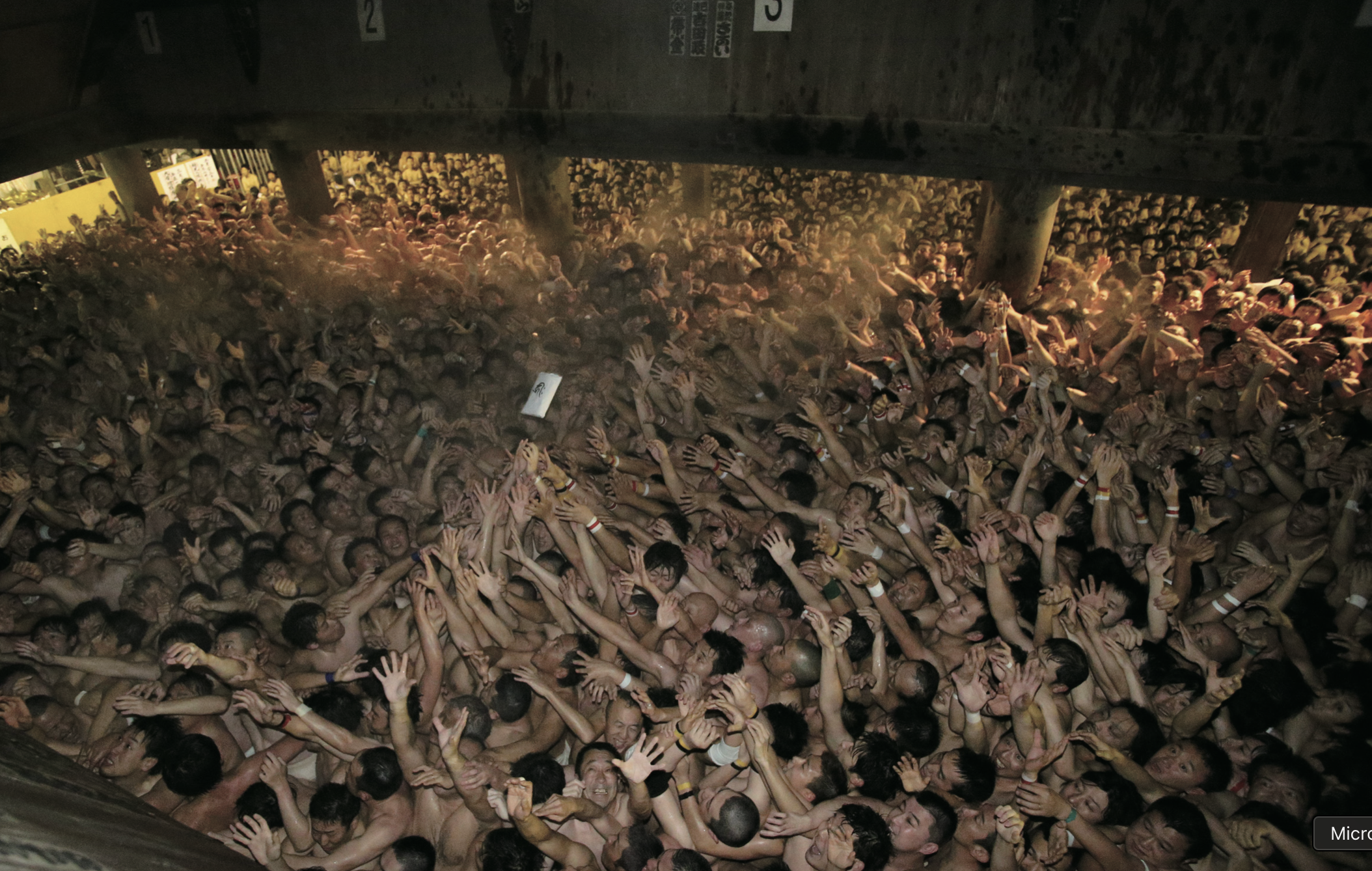
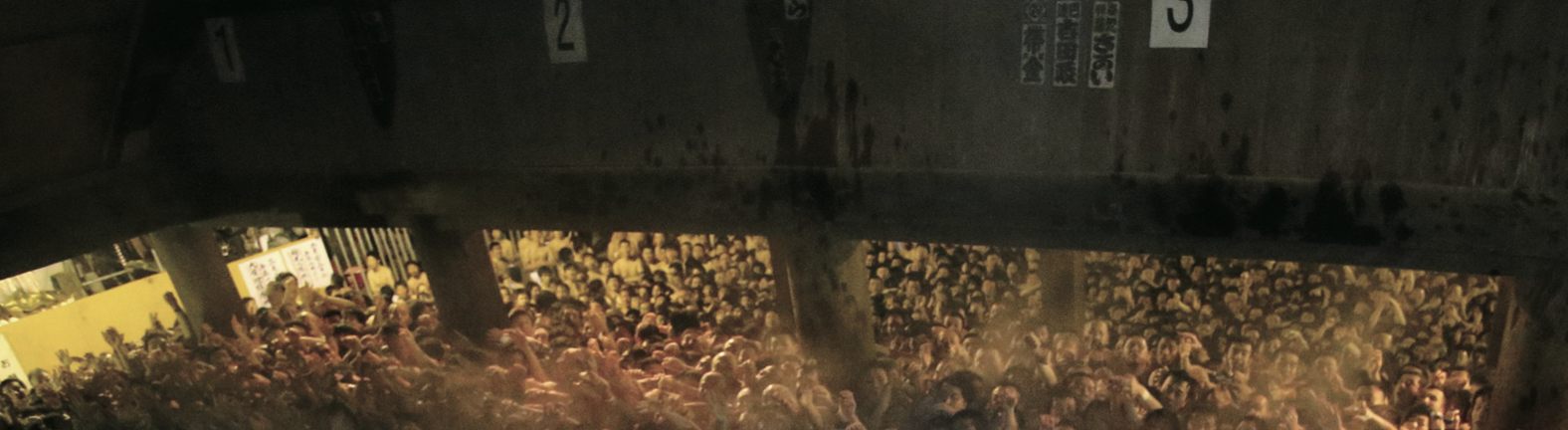
People participate in Saidai-ji Eyo from around Japan, and more recently from around the world. Almost 10,000 men in mawashi take part in the scrambling for blessed wooden sticks known as the shingi. After receiving cold-water ablutions to purify their bodies and minds, the participants pack the ground by Jioshi-gyo (walking around in the temple precincts). At 10 p.m., the shingi, or wooden sticks, are thrown into the crowd.
Main Event: Scramble for Shingi
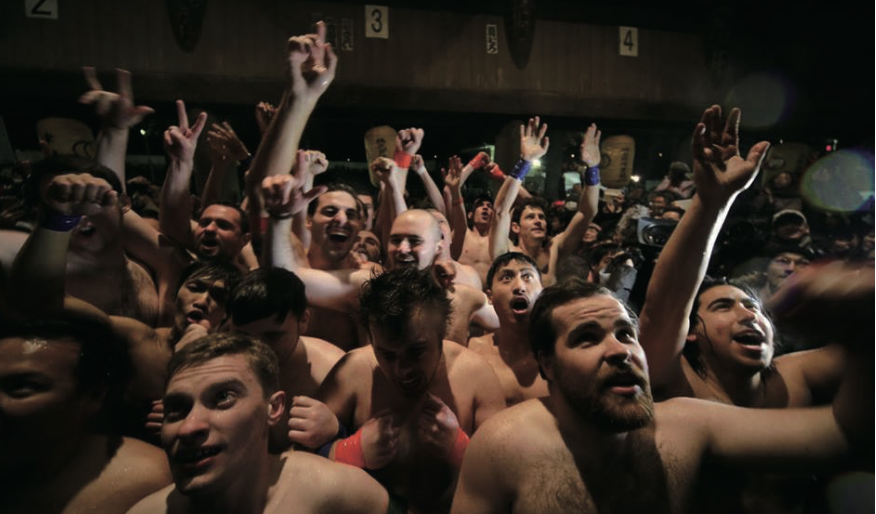
As night falls in the winter, the atmosphere at the Saidai-ji Temple becomes charged with energy. The main event of the naked festival Photographs courtesy of Okayama Prefectural Government Office Tourism Division involves a frenzied scramble for the sacred shingi, or wooden sticks that are believed to bring good fortune and health to those who obtain them. Because of the jostling of men in mawashi, water sprinkled from above their heads turns into steam immediately. The scramble for shingi starts at 10 p.m. Big whirlpools of naked men are produced everywhere, creating the most intimate space in the world.
Symbolism of Struggle:
The physical struggle for shingi holds deep symbolic meaning in the Saidai-ji Eyo Hadaka Matsuri. The power of taking something from others represents earthly desires, but it also becomes the power to calm down evils by approaching shingi, which embodies gods. Participants believe that obtaining shingi not only brings personal blessings but also contributes to the overall well-being of the community. The act of grappling for the sacred protection sticks represents rebirth, and the resilience displayed during the struggle is considered a virtue.
Controversies and Adaptations:
While the Saidai-ji Eyo Hadaka Matsuri is deeply rooted in tradition, it has not been immune to criticism and challenges. To address problematic fights, for example, the community has made great efforts to keep the festival safe by establishing rules for entry. Sustaining this festival has become difficult, however. It is considered one of the three strange festivals in Japan that may not survive. In a bid to avoid such a fate, the Saidai-ji Temple also holds an Eyo evening festival and parade in the temple precincts for women in order to increase participation by changing the image of it being only for men.
Preserving Tradition Amid Change:
Some Japanese festivals face difficulties in surviving due to lack of successors, fights, and accidents. In these circumstances, Saidai-ji Eyo was designated as an Important Intangible Folk Cultural Property in 2016 and has been protected as a nationally acknowledged festival. Eyo is popular not only for its cultural significance, but also for how it has evolved in response to the big changes in modern society. tj
The complete article can be found in Issue #283 of the Tokyo Journal.
西大寺会陽
岡山県の裸祭り
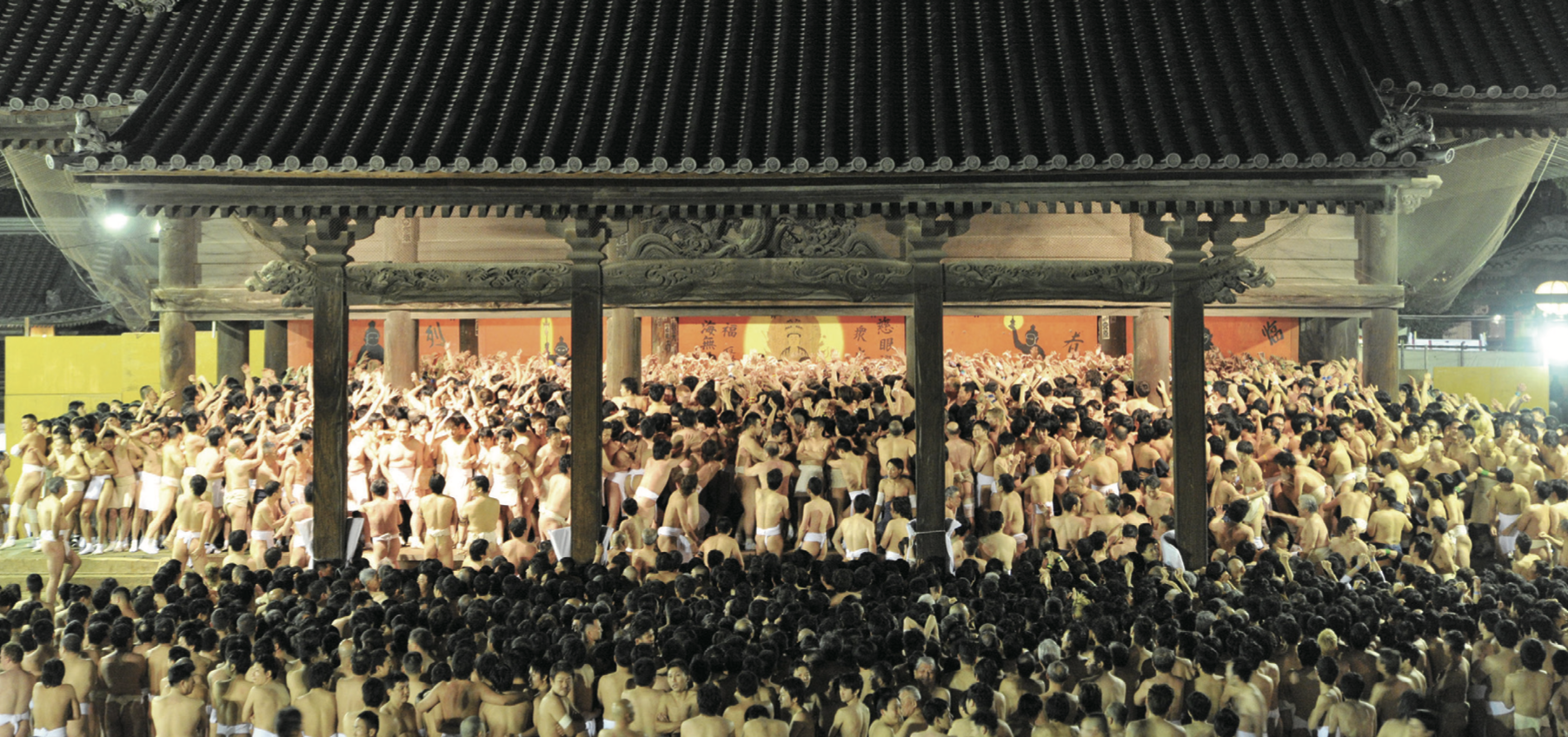
岡山県には、日本で最も象徴的で興味深い文化行事がある。岡山県の裸祭りとしても知られる西大寺会陽は、日本古 来の正月行事を起源とする。活気溢れるこの祭りには、世界中から参加者や観光客が訪れる。この特集は、世界的に も大変珍しい西大寺会陽に焦点を当て、歴史的起源や地域にとっての文化的意義を探る。
歴史
西大寺会陽の起源は、西大寺が開山された奈良時代(751 年)にさか のぼる。東大寺良弁(ろうべん)僧正の高弟、実忠(じっちゅう)上人 が創始した修正会すなわち新年の大祈祷を初代住職の安隆(あんりゅ う)上人が伝え、毎年旧正月元日より 14 日のあいだ厳修し、五穀豊穣、天下泰平、万民豊楽の祈りを捧げていた。信徒はこの恩恵を得ようと、としがみさま み ず ご り 歳 神様を迎え入れるため水垢離(みそぎ)を行い、本堂に参拝してはご本尊千手観音に至心に祈りを捧げた。こうした水垢離や修正会に詣でる習慣が、長年のあいだに多数の参加者が関わる地域行事に発展した。参加者がまわし姿となり水垢離を行う風習は、心身を清め、無垢な信心を神々に捧げるためであり、純粋な心で神に近付くことができると考えられてきた。
岡山県の神と仏
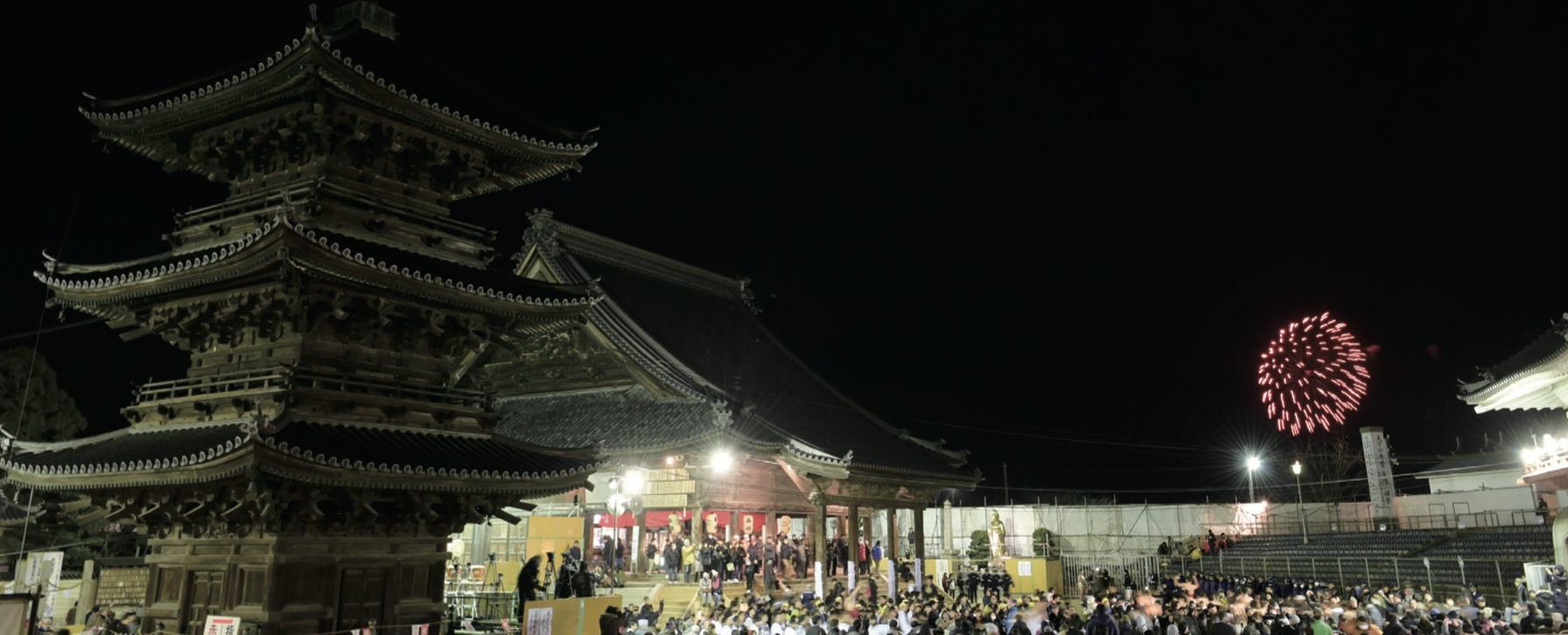
文化遺産が豊かな岡山県は、全国第 5 位の古墳王国で古来より神々を祀る風習が多く残る地域で、仏教伝来以降、神道と仏教が強く融合されていった。会陽が行われる西大寺も令和 10 年に 1250 年を迎える歴史を持つ由緒ある寺院で、神仏習合の大きな拠点となっていった。西大寺会じ お陽では参加される裸の地押し(境内巡行)よって荒ぶる神々を鎮め、備前平野に安寧をもたらす、中心的役割を果たした。
準備と儀式
西大寺会陽の参加者は全国各地、近年では世界中から集まる。まわし姿になった1万人もの裸衆は期待に胸を膨らませ、来たるべき「宝木(しんぎ)」投下の争奪戦に備える。参加者の心身を清める水垢離行の儀式が行われ、境内を練り歩く地押しを行いながら 22 時の宝木投下まで、地をしっかりと固める。
締めくくり行事:宝木の争奪戦
冬の深夜になると、澄み切った空気にエネルギーが満ち溢れる。裸祭りの締めくくりは、幸福と健康を招く守護札である宝木の争奪戦だ。まわせいすいし姿の男たちのもみ合いへし合いで、上から散じた清水はたちまちのうちに湯煙となる。いよいよ 22 時、投げ込まれた宝木を巡り激しい争奪戦が始まる。裸衆による荒々しい大渦が会場にいくつも生まれ、世界一の密なる世界が生まれる。
争奪戦が象徴するもの
宝木の争奪戦には、西大寺会陽の深淵な象徴的意味が隠されている。奪おうとする力は煩悩を表すが、仏である宝木に近付くことで、悩める人間の煩悩を昇華させ、邪気を鎮める力となる。宝木を手にした参加者は、本人だけでなく地域全体の幸福も呼び込む。神聖な守護札を手にするという行為は、生命の再生を意味し、争奪戦で見られる不屈の精神は美徳と考えられる。
論争と対応
西大寺会陽は伝統に根ざすが、批判や困難にもさらされてきた。特にけんかが問題視されるようになり、これに対応すべく参加条件を整えて、安心安全な祭りができるよう地域一帯で守ってきた。近年は、日本三大奇祭の裸祭りの一が、運営側の継承者不足で継続困難となったり、全国的に継承者問題が取り沙汰されている。西大寺では、継承者拡大に向けて、男性の祭りとされるイメージを変えてゆくため、女性の祭り「会陽宵祭り」や、女性の地押しを開催している。
変化の中で伝統を守る
日本国内の祭事は継承者不足や、喧嘩や事故などによって継続が危ぶまれてものもある。そのような状況の中、西大寺会陽は、平成 28 年国の重要無形民俗文化財に指定され、国を代表する祭事となり護持されている。西大寺会陽が人気を集めるのは、それが文化的意義だけでなく、近代社会の大きな変化に即応進化していく祭りだからだ。 tj
